

Now that we’ve covered some basic cooking skills, it’s time to cover something a bit more intimidating– proteins!
Cooking proteins, particularly meat, can feel daunting. Like me, you may find that cooking meat is a challenging balancing act between undercooking it (and getting yourself sick) and overcooking it so much that it is closer to jerky than anything else. For our vegan and vegetarian friends, there are so many different sources of protein beyond just meat. One of the most common plant-based protein sources, tofu, presents its own unique cooking challenges. We want you to feel confident in the protein basics, so in this post, we’ll be covering:
Temperature guides to ensure your food is safe to eat
Basic food prep and cleanliness practices to avoid cross-contamination
Two simple cooking methods for chicken and tofu that you can put your own twist on to make countless meals
Protein Safety: Temperature Zones
The internal temperature your protein needs to reach to prevent illness varies depending on what food item you are cooking. The only way to know for sure that your food is cooked properly is by measuring the internal temperature, which is why buying a food thermometer is absolutely essential for a beginner cook. To simplify this process, we’ve included this chart detailing the necessary cooking temperatures based on each type of meat you cook to ensure it's safe to eat.
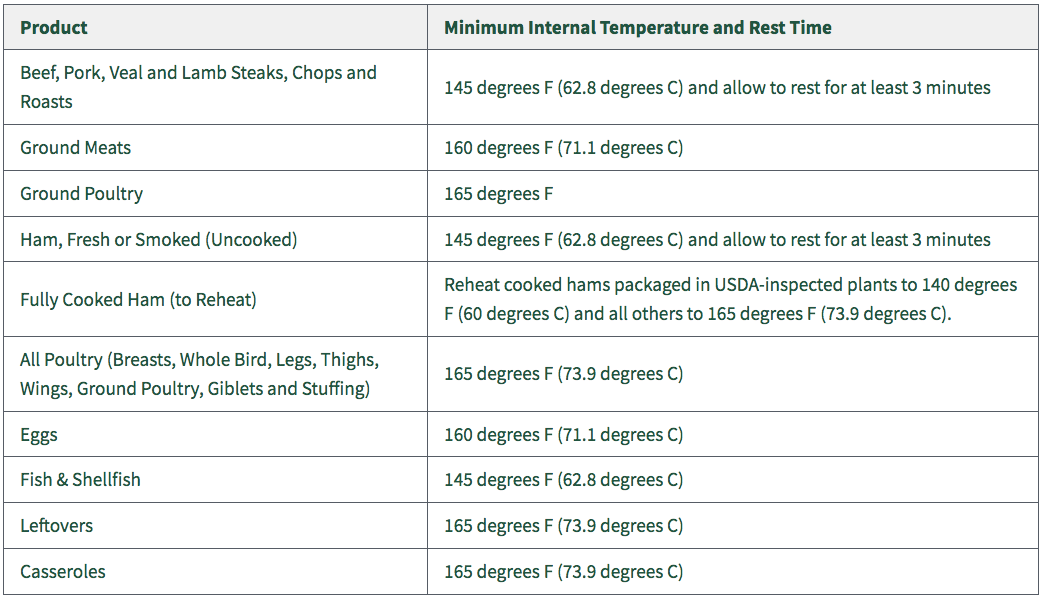
Cooking your food to the correct internal temperature is the key to preventing foodborne illness. Also, keep in mind the concept of ‘carry-over cooking’. This concept was introduced to me by my high school culinary teacher, and it essentially means that food continues to cook internally for a few minutes, even after removing it from the heat. Once that temperature is reached, cooking it further is unnecessary. In fact, overcooking leads to the jerky-like texture we mentioned earlier.
A Clean and Safe Cooking Space

Cross-contamination is when harmful bacteria get transferred from one food to another. Don’t worry; it’s completely avoidable when you take the necessary precautions. Here are some tips from the USDA:
Keep raw meat in a separate space on the countertop, away from all ready-to-eat foods.
When possible, separate cutting boards and utensils should be used for food that poses a cross-contamination risk.
Sanitize your space and materials thoroughly after handling raw meat.
Pro-tip: Prepare and cook all of your non-raw/non-meat ingredients before handling raw proteins to eliminate the need for immediate sanitization.
Cooking Chicken: Two Simple Methods
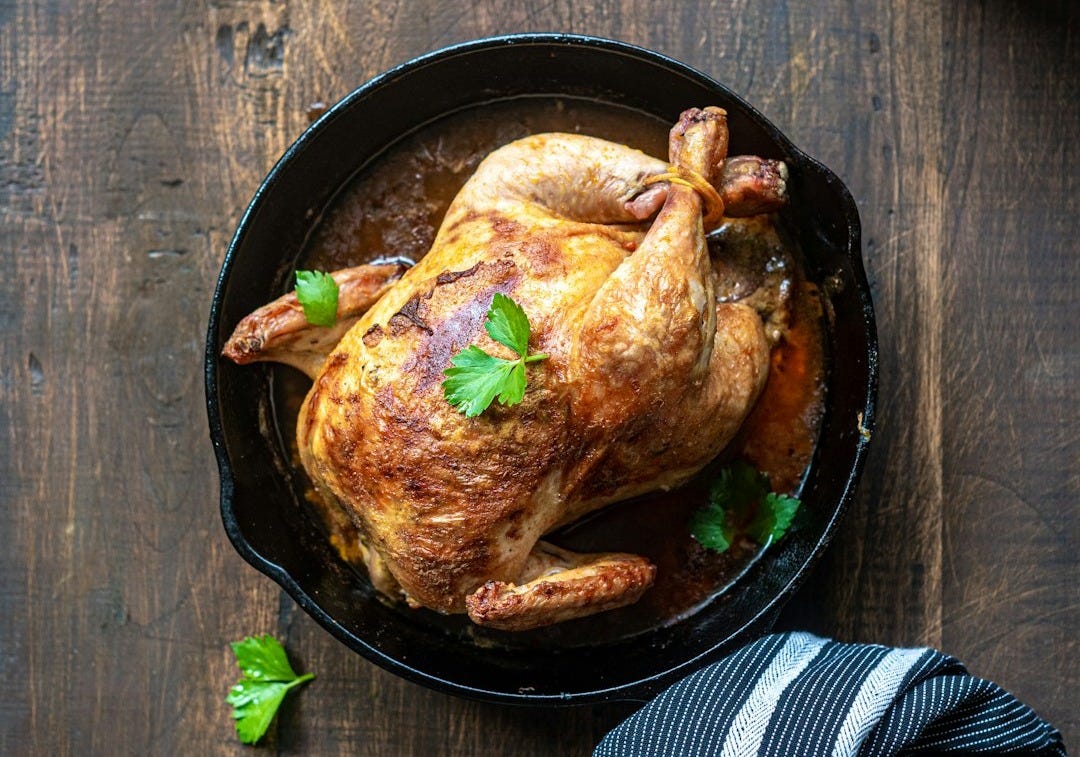
Chicken is an excellent first protein to master— it can be pretty affordable and it is very versatile, providing a blank slate for countless seasoning combinations and recipe pairings. While there are so many different seasoning combinations you can go for, here is a reliable basic blend to get you started:
½ tsp salt
½ tsp garlic powder
¼ tsp onion powder
¼ tsp paprika
⅛ tsp black pepper
Now, let’s get into two straightforward methods for cooking chicken. Pan-searing and air frying are both simple enough and provide excellent results. Test both to determine your preference.
Pan Searing (Adapted from Gordon Ramsay Eats and Allrecipes)
Open your package of chicken (tenderloins or breast) and generously sprinkle both sides with your preferred seasonings.
Optional: Trim any excess fat from the chicken if you prefer
Place two tablespoons of olive oil in a medium-sized pan and turn the heat to medium-high.
Allow the olive oil to heat up for a few seconds until it is hot. The olive oil should have a watery consistency that moves easily as you move the pan. If your oil starts to smoke, it is too hot and is beginning to burn.
Place the chicken in the pan using tongs, cooking for 3-4 minutes on one side and then for another 3-4 minutes on the other.
Note that cooking times will vary depending on the thickness of your chicken. Ensure the chicken is golden brown before flipping, and use your best judgment.
Turn your pan down to low and insert your thermometer in the thickest part of the chicken to ensure it is cooked to a minimum temperature of 165 degrees Fahrenheit.
Remove your pan from the burner and let your chicken rest for a few minutes before eating.
Air Frying
Preheat your air fryer to 375 degrees Fahrenheit.
Take your chicken out of the package and place it on your air frying tray; leave just enough room between the chicken pieces so they aren’t touching.
Sprinkle a generous amount of seasoning on your chicken and place the tray in the air fryer.
Cook for 5-10 minutes (closer to five for thin pieces, closer to ten for thick pieces) and then flip, seasoning the new side.
Cook for another 5-10 minutes and check the internal temperature with a thermometer, ensuring 165 degrees Fahrenheit.
Cooking Tofu: Two Simple Methods

Before you get started, there are a few things you may want to know about tofu. In my research and discussions with different vegans and vegetarians, I’ve gathered a few general tips on cooking tofu. First, it was recommended across the board to buy firm or extra firm tofu. My understanding is that this kind of tofu has already been pressed to remove excess water and thus holds its shape better for cooking purposes. This leads me to the other most important aspect of cooking tofu– pressing it. You can do this yourself by placing a paper towel on top of the tofu and pushing it down firmly to remove excess water, but if you cook tofu often, you may find it useful to purchase a pressing tool.
Pan Seared Tofu (Adapted from Feasting at Home)
Remove the tofu from the package and place it on a cutting board.
Take a paper towel and place it on top of the tofu, pressing down firmly with your hands to remove excess water.
Cut your tofu into cubes and pat dry with a paper towel once more.
Heat 1 tbsp of olive to a medium-sized pan at medium-high heat and add your tofu to the pan. You can add your seasoning now or after it is done cooking
Sear your tofu pieces on one side for 3-5 minutes and then flip the pieces to continue cooking for another 3-5 minutes or until golden and crispy.
Air Fried Tofu
Preheat your air fryer to 400 degrees Fahrenheit.
Remove the tofu from the package and place it on a cutting board.
Take a paper towel and place it on top of the tofu, pressing down firmly with your hands to remove excess water.
Cut your tofu into cubes and pat dry with a paper towel once more
Place your tofu on your air frying tray and spray with a light coat of cooking oil and add your desired seasonings.
Place your tofu tray in the air fryer and cook for 12-18 minutes or until crispy and golden brown.
With these foundational tips and beginner techniques for cooking proteins, you are on your way to building confidence in the kitchen. Practice makes perfect, so don’t be afraid to jump right in. Feel free to experiment with different seasonings and variations to find your favorite way to prepare all kinds of meals with your new cooking knowledge.